Smart Home
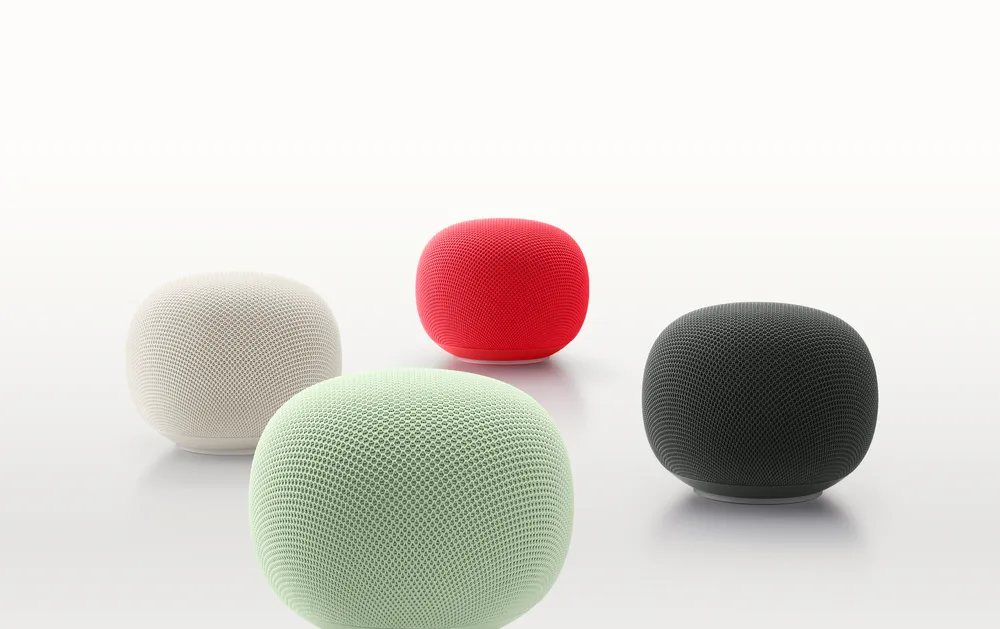
For the adopterGoogle's first proper smart speaker in years has genuinely good wake-word detection — the reviewer couldn't stump it even from the shower — and the hardware looks sharp in four colors (red is apparently the move). The 'finicky' caveat in the headline is worth paying attention to though, because a speaker you're yelling at out of frustration pretty quickly stops being fun. Worth watching for full review verdicts before committing.
The Verge →Apple's first foldable iPhone looks like it's actually happening this fall — supply chain sources say the tricky 3D-printed hinge module that had people nervous is now sorted and production is moving forward. This is the kind of device that changes what a phone can be, so if you've been watching the foldable space and wondering when Apple would show up, the answer is apparently September. Take supply chain reports with the usual grain of salt, but the converging signals are hard to ignore.
9to5Mac →The N64 remake is getting serious praise as the best-looking game on Switch 2 so far — and reviewers say the tighter, on-rails structure is exactly what lets the visuals shine compared to the sprawling open-world efforts we've seen from Mario Kart World and Donkey Kong Bananza. If you've been on the fence about whether Switch 2 can actually impress graphically, this sounds like the proof-of-concept. Prime Day has it at $50 right now, which makes the timing pretty convenient.
The Verge →Hue is fixing one of its more quietly annoying limitations: until now, you had to pick either Thread or Zigbee on compatible bulbs and stick with it, which made mixing the Hue app with a Matter ecosystem an awkward commitment. The new dual-protocol support means you can run both simultaneously — keeping your Hue Bridge and routines intact while also connecting directly to Apple Home, Alexa, or Google Home. If you've been holding off on going all-in on Matter because you didn't want to blow up your existing Hue setup, this is the update you were waiting for.
The Verge →M5 MacBook Air models are seeing $150 off, M5 Pro and Max configs are down up to $250, and older M4 Air stock is going for as much as $430 below launch pricing — which is a real number on a machine that was already excellent. This is also worth knowing: Apple has flagged that Mac prices are heading up due to rising component costs, so current pricing may not stick around. If a Mac upgrade has been on your list and you've been waiting for a clear moment, this is a pretty clear moment.
9to5Mac →Tamron's well-regarded 17-70mm F2.8 — a genuinely useful walkaround zoom that's been popular on Sony E-mount since 2020 — is finally coming to Canon RF and Nikon Z APS-C shooters at $749. It covers a longer range than either mount's current F2.8 zoom options while staying relatively compact, which matters a lot when you're trying to travel light with one lens. The original had some optical quirks like onion-ring bokeh and distortion, so it's not perfect, but at this price bracket for this range it's a compelling option.
Articles: Digital Photography Review (dpreview.com) →Luca Guadagnino's biographical drama about Sam Altman — nearly finished in post-production — has been dropped by Amazon MGM and passed on by Netflix, A24, and Warner Bros.' Clockwork, leaving the film in distribution limbo. Whether you read this as corporate risk-aversion, AI-era power dynamics, or just Hollywood being Hollywood, it's a notable data point about who has leverage over storytelling right now.
The Verge →LastPass is back in the breach news cycle, this time through a compromised third-party partner — which means users' personal data is out there again through no direct fault of their own habits. If you're still on LastPass after the previous incidents, this one's worth taking seriously as a reason to migrate your vault to a different password manager.
9to5Mac →AI virtual staging is making apartment listings look nothing like the actual apartments — spacious, fireplace-equipped dream studios that turn out to be something else entirely when you show up in person. It's a consumer harm story worth knowing about if you're apartment hunting anywhere right now, and a clear sign that AI-generated listing photos need some kind of disclosure standard, fast. The technology is real and the disappointment is realer.
The Verge →In a candid Gamers Nexus interview, Valve engineers pulled back the curtain on sourcing memory in 2026: a take-it-or-leave-it market dominated by Samsung, Micron, and SK Hynix with prices that leave no room to breathe. This isn't just a Steam Machine problem — it's the reason everything with RAM in it is getting more expensive right now, from handhelds to laptops. Good context for anyone trying to make sense of why gear costs what it costs this year.
The Verge →Valve has finally put a number on the Steam Machine, and it's a gut-punch: $1,049 for the 512GB version, $1,349 for 2TB, and neither includes a controller. The RAM shortage is doing real damage here — Valve isn't subsidizing the hardware, and the component market isn't playing nice. If you were hoping for a PS5-priced living-room PC, the wait continues.
Engadget →The AirPods Max 2 have dropped $150 to an all-time low price ahead of Prime Day, which makes Apple's premium over-ear headphones meaningfully less of a commitment than they were at launch. These are still luxury-tier cans, but if you've been eyeing them and waiting for a real discount rather than a token one, this is the moment that's actually worth paying attention to. Worth stacking against whatever else you're considering in the over-ear space right now.
Tom's Guide →The Ray-Ban Meta Optics line steps up with a premium fit and a few added features over the standard Ray-Ban Metas, but naturally asks more for the privilege. Smart glasses are one of the more genuinely interesting product categories right now, and a review worth reading if you're curious whether the upgrade tier actually earns its keep. The baseline question remains: how much are you paying for the frame versus the tech?
Engadget →The Apple Watch SE 3 — already the easy recommendation for most people — has hit an all-time low of $199, which is a genuinely good deal for a watch that added always-on display, double tap, wrist temperature, 5G, and fast charging in its last revision. One honest caveat: a Series 12 is expected in a few months, so if you want the latest Apple Watch, patience might serve you. But if the SE 3 covers your needs, $199 is a hard price to argue with.
The Verge →The second-gen AirTag four-pack has dropped to $90 at Amazon and Best Buy — a modest $9 off, but it's the deepest discount since launch and the Costco five-pack at $99.99 is the real sleeper deal here. The new model meaningfully improves on the original with a 50% farther ultra-wideband range and a louder speaker, while keeping the replaceable CR2032 battery and IP67 rating that made the first one worth owning. If you're still running first-gen tags and they're working fine, the upgrade is nice but not urgent — if you're starting fresh, this is the moment.
The Verge →Bloomberg is reporting that a new Apple TV 4K is on track for a fall launch, with three new features to be confirmed — which is notable because the current model has been sitting unchanged for a while and the stretcher crowd has had zero reason to upgrade. Specifics are thin from the snippet alone, but if the features land well, this could finally be the generational push that makes the existing box feel long in the tooth. Worth watching — particularly for anyone whose Apple TV is getting creaky.
9to5Mac →The 2026 AirPods Max 2 just hit an all-time low with $150 off across all colors at Amazon, making Apple's flagship over-ears meaningfully more accessible during Prime Day. That's a real discount on a premium headphone that was already a considered purchase at full price — worth a look if you've been sitting on the fence about premium noise-cancelling without wanting to go Sony or Bose. No review context in the snippet, so do your homework on what changed in the second-gen before pulling the trigger.
9to5Toys →RingConn leaned into a Lord of the Rings tie-in for its smart ring marketing, invoking themes of "meaningful transformation" and "intentional daily choices" — which is a bold move given that the One Ring's entire narrative arc is about the catastrophic consequences of wearing it obsessively. The Verge's Victoria Song points out the obvious contradiction: Frodo's whole mission was to not wear the ring and ultimately throw it into a volcano, which is the opposite of the 24/7 wear RingConn is selling. It's a fun bit of brand own-goal energy, and a good reminder that the marketing team and the lore team don't always talk.
The Verge →The Switch 2 is sitting at $399.99 for new Woot customers using code CHEAPSWITCH2 — a legitimate $50 off a console that's still selling like mad and has a genuinely strong game lineup with more on the way, including a new Zelda: Ocarina of Time reimagining later this year. Worth flagging: Nintendo has confirmed a price hike to $499.99 in September, so any discount right now carries real context. This isn't manufactured urgency — the math actually checks out.
The Verge →Google has killed the Nest Mini — the little puck that lived on approximately every flat surface in America — and replaced it with the new Google Home Speaker, which is a different product with a different price point and a different vibe. The piece is honest that this isn't a like-for-like swap, and that the smart speaker lineup now has a gap where a cheap, mindless room-filler used to be. If you still have a Nest Mini, it's not going anywhere; if you're shopping fresh, the calculus just got more complicated.
9to5Google →Mark Gurman reports that incoming Apple CEO John Ternus plans to push design back to the center of Apple's decision-making — a shift from the Cook era, where finance and operations quietly took the wheel after Jony Ive left. If true, this is a meaningful inflection point for everyone who's been watching Apple's products feel a little more committee-approved and a little less considered. Whether that plays out in the hardware you actually buy remains to be seen, but it's the right instinct.
9to5Mac →The Powerbeats Pro 2 — the hook-ear workout buds with Find My built in — have dropped to their lowest price in nearly a year, $70 off at both Amazon and Best Buy. These aren't for everyone, but if you want something that stays on your ears during a run and plays nice with Apple's ecosystem, this is a legitimate deal and not just pre-Prime Day noise. The all-time low on AirPods Pro 3 is also live if that's more your speed.
9to5Toys →Bose has launched Bose Studios and Bose Records, because apparently making excellent headphones wasn't enough and the graveyard of corporate vanity labels needed one more occupant. The Verge is skeptical — politely, but firmly — and they're not wrong: the history of hardware brands building media empires is mostly a story of expensive lessons learned. Worth watching to see if Bose can pull off a Red Bull, but don't hold your breath.
The Verge →iFixit cuts through the paralysis of the soldering iron market — from cheap garbage that'll make you hate the hobby to overkill professional stations most people will never need — and maps out what's actually appropriate for repair, modding, and tinkering at different levels of commitment. It's practical, honest, and refreshingly free of the 'you need the $300 station' energy that plagues gear guides. A solid read whether you're fixing your first broken headphone jack or building out a real repair bench.
iFixit News →AirPods Pro 3 are back at their all-time low of $169 — that's $80 off Apple's flagship earbuds, and the best price tracked since launch. If you've been sitting on the fence waiting for a real drop rather than a $10 discount dressed up as a sale, this is the one. Stock has come and gone before, so the usual caveat applies: move when you see it.
9to5Toys →iFixit walks through what actually goes wrong with robot vacuums — brush rolls, sensors, batteries, the whole chaotic little life of your floor-crawling companion — and how to fix it yourself instead of tossing it. It's a love letter to keeping your robot running, and a useful reminder that most robovac failures are cheaper to repair than the sticker price of a replacement suggests. Stretchers, this one's basically written for you.
iFixit News →Sony's latest flagship drops the continuous optical zoom that made previous Xperia 1s distinctive, swaps in a redesigned camera system, and keeps the beloved headphone jack and microSD slot. It's a genuine step change for the line — but at £1,399 / ~$1,850 and no US launch, 'for the fans' is doing a lot of heavy lifting. If you're already in the Xperia cult, this review is required reading; everyone else can admire from a distance.
The Verge →Android 17 is out for Pixel devices and the big post-update question — as always — is whether your battery got better, worse, or just different. 9to5Google is crowdsourcing real-world reports, which is actually more useful than any lab benchmark for knowing what to expect on your specific phone. If you're a Pixel owner weighing whether to update now or let things settle, this thread is worth watching.
9to5Google →Fresh leaks ahead of Samsung's July event flesh out what to expect from the Galaxy Watch 9 and Watch Ultra 2 — and confirm the Classic variant is not coming back this generation. If you've been holding out for that rotating bezel in the Classic form factor, it looks like that wait just got indefinitely longer. The changes otherwise look iterative rather than transformative, which is useful information if you're deciding whether to upgrade or sit tight.
9to5Google →EU regulations now require tech companies to provide repair manuals for their products, and iFixit breaks down the gap between a manual that technically exists and one that actually helps you fix something. It's a useful read for anyone who's stared at a cryptic diagram and felt personally insulted, and a quiet reminder that repairability is about more than just whether the screws come out. Good documentation is part of the product — and companies that do it well deserve the credit.
iFixit News →Open Notebook is an open-source NotebookLM alternative that can route through local AI models instead of sending your documents to Google's servers — which is a meaningful difference if you're feeding it anything sensitive. It works similarly to NotebookLM on the surface, but the ability to keep everything on your own machine is the whole point here. Worth a look if you've been curious about NotebookLM but never quite trusted it with your actual stuff.
Android Authority →DPReview has updated its Panasonic L10 sample gallery with flash shots and raw conversions ahead of a full review, and the results give a clearer picture of where this compact actually sits — impressive dynamic range, pleasing JPEG colors, but lens softness in the corners that the higher-resolution sensor does not forgive. The studio scene writeup is honest that APS-C compacts like the Ricoh GR IV hold a real noise advantage in low light, which is exactly the kind of context you need before spending compact-camera money. Real-world sample galleries like this are worth your time before committing.
dpreview.com →Wearables
For the stretcherGoogle's Wear OS 7 update is rolling out now to the Pixel Watch 4, 3, and 2 — meaning even owners of the two-year-old Watch 2 are getting the full June 2026 feature drop. That's the kind of software longevity that makes holding onto a wearable feel like a smart call rather than a compromise. Worth checking what's actually changed before you convince yourself you need new hardware.
9to5Google →The Atlantic built a public, searchable database covering four datasets — including sets of 12 million and 9 million tracks — used to train AI models, with Google and Stability AI both confirming use in research papers. If you've ever released music, there's a real chance your work is in here without your knowledge or consent. It's a rare moment of transparency in an industry that has been remarkably good at keeping these details opaque.
The Verge →Automakers love your money but apparently not the software you actually want to use, and a growing number are dropping Android Auto support in favor of their own built-in systems. This affects anyone buying a new car in 2026 and beyond, and if phone projection is a dealbreaker for you, it's now officially a thing to check before you sign. The one you have is probably fine — but the one you're about to buy might be a different story.
Engadget →Smart Home
For the adopterThe Verge's reviewer went in expecting nothing and came out a believer — SwitchBot's battery-powered standing fan tilts in all four directions, doubles as a nightlight, converts from desktop to floor fan in seconds, and plays nicely with smart home setups. That's a lot of capability packed into a device that most of us buy out of desperation at a big-box store. The battery-powered angle alone makes this worth a look if you've ever wanted a fan where the outlet isn't.
The Verge →Smart Home
For the stretcherA $20-ish Walmart streaming stick apparently spent a month making a reviewer question why anyone would spend four times more on Google's own Google TV Streamer — that's a spicy take worth paying attention to. If you're a stretcher who's been eyeing a streaming upgrade, this is the kind of real-world longevity test that matters more than a spec sheet. Adopters who already bought the Google TV Streamer might want to sit this one out.
Android Authority →Smart rings are tiny, elegant, and — it turns out — nearly impossible to repair when something goes wrong inside them. Hackaday digs into why cramming sensors, batteries, and radios into a ring-sized space makes these devices essentially disposable once they fail. If you're considering a smart ring as a long-term health tracking investment, this is exactly the kind of ownership reality check worth reading first.
Hackaday →The honest answer is: maybe, and Engadget actually breaks down why — the optical heart rate sensors that most wearables rely on can struggle with the ink pigments and density of tattoos, with darker and denser ink causing the most interference. This is genuinely useful information if you're tattooed and shopping for a fitness tracker or smartwatch, since no manufacturer is going to put 'may not work on your wrist' in the marketing copy. Worth a read before you commit to any wrist-worn health device.
Engadget →AI Hardware
For the adopterAdobe's chat-based AI assistant — already live on Photoshop's web version — is now in public beta for the desktop app, letting you describe what you want done and watch it execute multi-step edits as adjustable layers. It's pitched as a way to offload the tedious parts of editing, not replace your eye, which is the right framing; just know the beta still makes mistakes and you'll want to check its work. Creative Cloud subscribers can try it now in Photoshop Beta.
dpreview.com →Philips Hue's new Wired Wall Switch Modules tuck behind your existing light switches and pull non-smart bulbs into the Hue ecosystem — meaning you don't have to swap every fixture to get app and voice control across a room. The catch: they're Europe-only for now, with no firm US launch date. Also in the announcement: more affordable Play-style table and floor lamps, plus upgraded E14 candle bulbs with Matter-over-Thread support for the mesh-networking faithful.
The Verge →A self-described subscription grump switched from nine years of Apple Watch to Oura Ring 3, then upgraded to the fifth-gen model — and still endorses it, which is the kind of testimonial that actually means something. The Ring 5 is making a case that passive, always-on health tracking from a thing you forget you're wearing can beat the daily attention tax of a smartwatch. The subscription requirement is real and worth pricing in, but for people who've already ditched the wrist screen, this sounds like the best version of that choice yet.
9to5Mac →The Denon Home 200 has been living as someone's main home and office speaker for a few months, and the takeaway is that it does what Apple hasn't bothered to do: make a modern smart speaker that plays nicely with the Apple ecosystem without demanding you buy into it exclusively. With Siri integration and a hardware design that doesn't feel like an afterthought, it's positioning itself as the HomePod refresh Apple keeps not shipping. If you're Apple-adjacent but not Apple-captive, this one's worth a serious look.
9to5Mac →Phaos is a new app built by a solo developer who got frustrated enough with Instagram's algorithm and lack of film-native features that she just built the thing herself — and it treats the roll as the fundamental unit, not the individual image, which is the right instinct. It's early days, around 100 users, no ads, no monetization yet, and a chronological feed that sounds almost radical in 2026. Film shooters who've been duct-taping together Instagram, WeTransfer links, and spreadsheets to manage their rolls should keep an eye on this one.
Articles: Digital Photography Review (dpreview.com) →The Kaleidescape Strato E is a proper high-end movie player that lets you buy 4K films at full, uncompressed quality — the kind of bitrate that streaming services actively refuse to give you. The review is an honest reckoning with what we traded away for convenience, and the verdict is that yes, it sounds glorious, and yes, the $3,000 entry price means most of us will be watching our bitrate-starved Netflix streams and coping just fine. Worth reading even if you'll never buy one, because it clarifies exactly what you're settling for.
The Verge →NTS Radio and Swedish audio company Atonemo have built a $179 dedicated streamer that pipes NTS's wonderfully weird genre-defying programming into basically any speaker setup you own — vintage hi-fi included, via the bundled RCA adapter. It does 24-bit/192kHz over 3.5mm and also handles AirPlay 2, Google Cast, Spotify Connect, and Tidal Connect, so it's not a one-trick pony. If you've been mourning the Chromecast Audio ever since Google killed it, this is the most credible eulogy we've seen.
The Verge →Snap's new AR glasses are technically the most impressive face-computer we've seen at this size — real AR features, no giant charging puck, years of lens software behind them — but the photos of actual humans wearing them reveal stems that sit on your ears like structural beams. At $2,195, you're paying early-adopter prices for hardware that might be genuinely useful but is also, by every available photo, a lot to wear in public. Worth watching closely; worth trying on before committing.
The Verge →Researchers have published details of a BootROM vulnerability called usbliter8 that enables arbitrary code execution on devices running Apple's A12 and A13 chips — and because it lives in read-only boot memory, Apple cannot patch it with a software update. If you're still on an iPhone XS, XR, 11, or SE (2nd gen), this is the kind of thing worth knowing about, even if real-world exploitation requires physical access. It's a meaningful ownership consideration, not a reason to panic.
9to5Mac →Valve's revived Steam Controller is proving more popular than Valve can build them — new reservations made today are landing in the 2027 queue, which is a long time to wait for a gamepad. The good news is Valve says they're not killing the product; the less-good news is 'we want to manage expectations' is doing a lot of heavy lifting here. If you were hoping to grab one soon, this is a sit-and-wait situation.
The Verge →Anthropic's Claude Fable 5 got hit with US export controls after a panicked Friday phone call chain involving Andy Jassy, Scott Bessent, and a 90-minute ultimatum — and the model is still offline for everyone as a result. The whole situation is a crash course in what happens when AI regulation is improvised rather than designed: chaotic, arbitrary, and arguably more damaging to American AI competitiveness than the thing it was meant to prevent. The Decoder interview is long but worth the read if you want to understand the new political weather around frontier AI.
The Verge →The Kindle Colorsoft Essentials Bundle — e-reader, leather cover, and USB adapter — has dropped to $182.97 from $334.97, which is an all-time low for the combo and a genuinely good deal on a color E Ink reader we like. The color screen earns its keep beyond comics: four-color highlighting, better cover browsing, and an IPX8 rating mean it holds up as a daily reading device. Prime membership required, and the sale is live now ahead of Prime Day proper.
The Verge →The XGIMI MemoMind One apparently has solid smart glasses hardware underneath an AI that Engadget describes as — their word — creepy, in the sense that it's actively monitoring your environment in ways that feel more surveillance than assistant. Good form factor, uncomfortable soul: a useful heads-up for anyone tempted by the category. Smart glasses are genuinely interesting right now, but the AI layer is where the differences really live.
Engadget →Rockstar has officially confirmed Grand Theft Auto 6 pre-orders go live June 25, with the game itself landing in mid-November — and we still don't know the price, which feels intentional and a little cheeky. The GTA Online and Trilogy discounts running alongside the announcement are a nice way to re-engage the existing player base while everyone waits. Pre-ordering before a price is confirmed is a personal call, but at least the release window is now real.
Engadget →Adobe is pushing Firefly AI deeper into Premiere, Photoshop, and Illustrator — not just as a one-off tool but as an agentic assistant that can string tasks together inside the apps you already live in. For anyone who makes things for a living, this is the kind of integration that actually changes daily workflows rather than just showing up in a keynote slide. Worth trying in beta before writing it off or fully committing.
9to5Mac →RAMageddon claims another victim: the iPhone 18 Pro is reportedly heading toward a $1,399 starting price, up from $999, thanks to unprecedented RAM and storage cost increases. Apple has apparently confirmed price hikes are coming, and the WSJ has the early estimates. If true, this is the biggest iPhone price jump in the device's history — not a rumor to dismiss.
9to5Mac →Smart appliances come with an expiration date that has nothing to do with whether they still keep your food cold — software support ends, and suddenly your $2,000 fridge is running unpatched firmware and losing features. This piece walks through what to expect when a manufacturer pulls the plug, from degraded cloud features to real security exposure. It's essential reading for anyone shopping connected appliances, and a useful gut-check for anyone already living with one.
Engadget →Tim Cook has confirmed that Apple products are getting more expensive, citing an ongoing RAM shortage that's made current pricing 'unsustainable.' He didn't name specific products or timelines, but the Mac Mini already quietly lost its $599 entry point and the 512GB Mac Studio quietly disappeared — so the repricing is already in motion. If you've been eyeing an Apple machine, this is the clearest signal yet that waiting might cost you more.
Engadget →Smart Home
For the stretcherAmazon's best-reviewed Alexa speaker — the Echo Dot Max, with a dedicated tweeter and woofer, AZ3 processor, and built-in Zigbee/Matter/Thread hub — is down to $64.99, which is $35 off and an all-time low ahead of Prime Day. It's a legitimate smart home hub disguised as a speaker, and the reviewer's top pick in the Alexa lineup. If you've been dragging your feet on setting up a Matter ecosystem or just want a capable room speaker that does a lot more than play music, this is a reasonable moment to pull the trigger.
The Verge →VSCO is swinging hard at Adobe with Studio Pro, a new iOS app built for high-volume editing work — weddings, events, sports — with batch editing, style matching, and RAW support coming later. The catch is a $500-per-year subscription, which puts it squarely in professional billing territory and well above what most casual photographers would entertain. It's a genuinely interesting product for working photographers, but the price tag means this one earns its keep or it doesn't.
The Verge →The Trump administration invoked 'national security authorities' to cut off Anthropic's Fable 5 and Mythos 5 models from all foreign nationals — including users inside the US and Anthropic's own employees — without publicly explaining the legal basis. It's reportedly the first time US export controls have been used to restrict access to an AI model this way, and the move has rattled allied governments enough that some are now talking about building their own frontier AI alternatives. Whatever you think about AI policy, this is a genuinely new kind of precedent, and it's moving fast.
The Verge →iFixit has launched a Community Repair Hub to help you find local Repair Cafés and Fixit Clinics — volunteer-run events where people actually help you fix what you already own, for free or cheap. It's a quiet but genuinely useful resource for anyone who'd rather not landfill a device because of a cracked screen or a dead battery. The stretcher in your life will want to bookmark this one.
iFixit News →Smart Home
For the adopterAfter what felt like an eternity of waiting, Google's new Home speaker is here at $99, shipping June 25th with 360-degree audio and deeper Gemini integration baked in. It's a direct shot at the Echo lineup and positions Google back in a smart speaker conversation it had largely gone quiet in. Pre-orders are open today in 18 countries.
9to5Google →Google has officially started removing Manifest V2 extensions from Chrome, which is the architecture that powers the most capable ad-blockers like uBlock Origin. If you've been happily blocking ads for years, your setup is about to get a lot less effective — and switching to Firefox or another MV2-friendly browser is now a genuinely practical option worth considering. This one matters whether you care about privacy, performance, or just not watching pre-roll ads.
Android Authority →Google's Android Switch tool in Android 17 is getting a serious glow-up: it can now pull your iMessage history, homescreen layout, and more when jumping from iPhone — reportedly more than you even get switching between Android phones. There's still the matter of iMessage itself not following you over, but the friction of switching just got meaningfully lower for anyone who's been on the fence.
9to5Google →Paramount+ is offering new and returning subscribers two months of either its Essential or Premium plan for 99 cents each — two bucks total gets you ad-free access to the Star Trek catalogue, South Park, Freaks and Geeks, live NFL on CBS, and more. Just set a calendar reminder before it auto-renews at $9 or $14 a month, because that's the only catch here. If you've got a show to finish or a series to binge, this is a genuinely good short-term deal.
The Verge →The AirPods Pro 3 — Apple's best earbuds yet, with improved bass, stronger ANC, and some light fitness tracking — are down to $169, a full $80 off and the lowest they've ever been. No Prime membership required, and Best Buy is matching. If you've been sitting on the fence since launch, this is the most compelling the math has looked.
9to5Toys →Verizon is dangling a $30/month flat-rate plan for new customers, but the fine print does some heavy lifting: you need autopay, you need to be switching carriers, and you need to opt into a new loyalty program through the My Verizon app before the activation fee waiver kicks in. Existing customers get the plan at $45/month, which is a notable gap. Read the full terms before you get excited — 'simplicity' is doing a lot of work in that name.
The Verge →Adobe's June update to Lightroom and Photoshop is low-key but genuinely useful: Assisted Culling graduates from early access with a new Face View mode, Topaz Labs' noise-aware sharpening is now available without leaving Lightroom, and Photoshop's Remove tool can now run its generative AI model fully on-device and offline. That last one matters if you care about not sending your images to Adobe's servers, or if you just work somewhere with spotty Wi-Fi. Sony a7R VI RAW support is also in there.
dpreview →Samsung's 49-inch Odyssey G9 — a 240Hz ultrawide curved gaming monitor that pulls double duty as a productivity screen — has hit its all-time low price of $665, which is over $300 off. For anyone who's been eyeing an ultrawide setup but couldn't stomach the usual ask, this is a meaningful drop on a well-regarded panel. Stretchers who've been waiting for the right moment: this is a strong one.
Android Authority →Android 17 is rolling out now to Pixel phones, bringing bubble multitasking windows, a 50/50 split gaming mode for foldables, and Wear OS 7 with Live Updates and a battery life bump for Pixel Watches. It's a solid, well-rounded update rather than a jaw-dropper — Ars Technica's framing of 'don't expect monumental changes' feels right. Gemini Intelligence features are still coming later in the year, so there's more to look forward to.
Ars Technica →With RAM prices climbing and Windows laptops getting pricier, the reviewer bought a MacBook Air pre-emptively — but after spending time with Lenovo's new Snapdragon X2 Yoga Slim 7x, wishes they'd waited. These machines apparently hit a sensible price-to-performance ratio even in a tough market, which is genuinely good news for anyone who wants to stay in the Windows ecosystem without overpaying. Worth a close look if you're in the market for a new laptop right now.
9to5Google →DPReview's full verdict is in on the $4,499 Sony a7R VI, and the short version is: best full-frame image quality you can buy, full stop, with a stacked sensor that finally lets the R-series keep up at events and wildlife shoots without sacrificing the resolution and dynamic range its core audience lives for. It's not an a1 II — rolling shutter and 4K softness are real caveats — and Sony's menus remain an acquired taste. If landscape and studio work are your world, your a7R V is probably still fine; if you've been waiting to add speed to that resolution, this is the upgrade.
dpreview.com →Viltrox's AF 28mm F4.5 Chip has finally landed for L-mount at $99, and at 15mm thick and 60g it is genuinely, absurdly small — the kind of lens that transforms a Panasonic S9 or Sigma BF into something you can actually pocket. The fixed F4.5 aperture is the real trade-off to know going in: you get autofocus and a slide-lever lens cap, but zero aperture control. For L-mount shooters who've been waiting for a pancake option, the wait is over.
dpreview.com →iFixit cracked open the Trump Mobile T1 and found exactly what the exterior suggested: it's a gold-painted, rebranded HTC U24 Pro, a phone manufactured in Taiwan, not America. The teardown is a straightforward piece of parts-identification journalism, and the answer it arrives at is about as surprising as finding out a hot dog is mostly not what's advertised. Worth reading for anyone curious about what's actually inside the $500 novelty.
iFixit News →